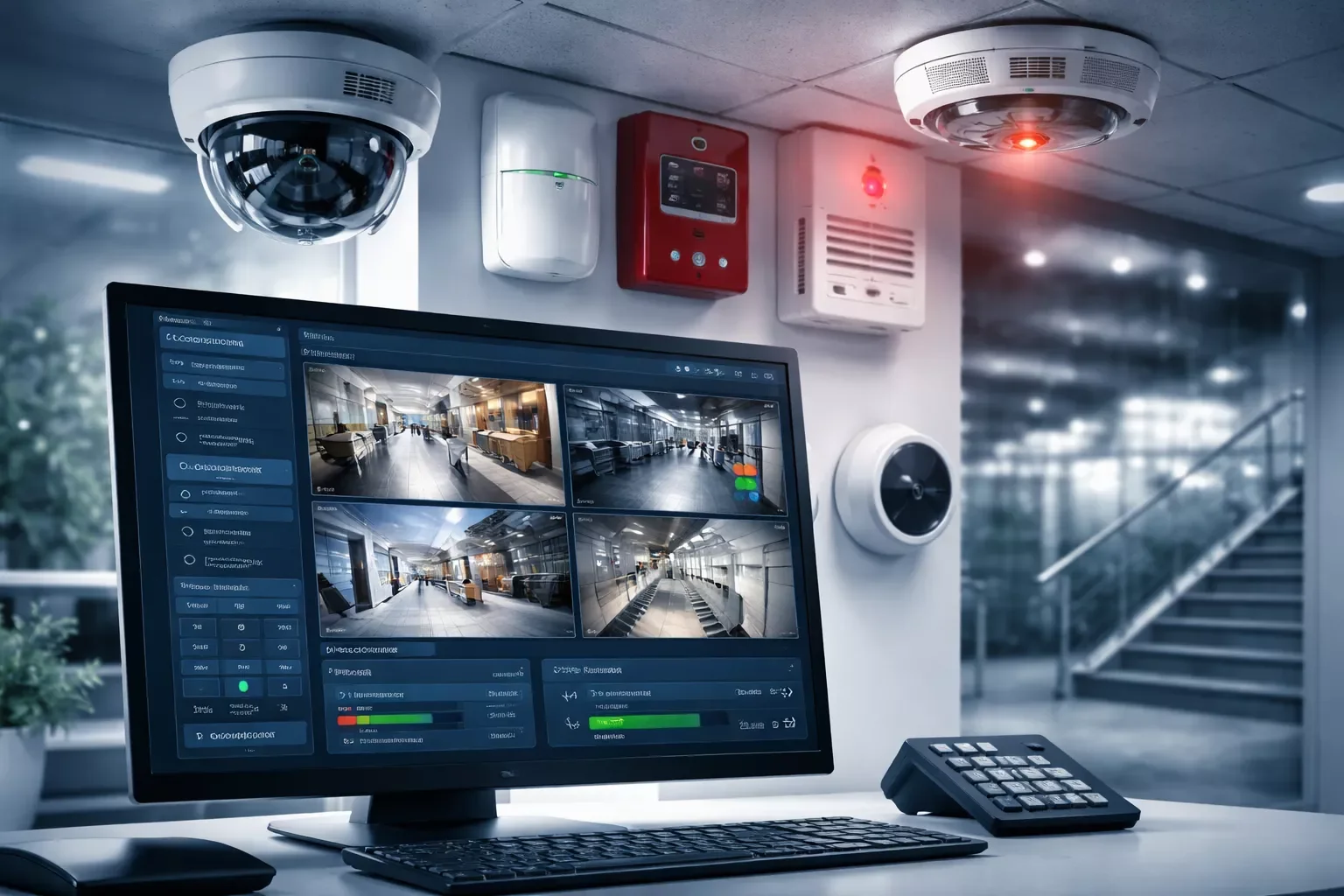
Network, Fiber & Structured Cabling
Green Mountain Integrators designs and deploys the physical and logical network infrastructure that modern security, life-safety, and enterprise systems rely on. From structured cabling and fiber connectivity to segmented security networks and resilient communications backhaul, our infrastructure work is engineered for reliability, performance, and long-term serviceability.
Structured Cabling Systems
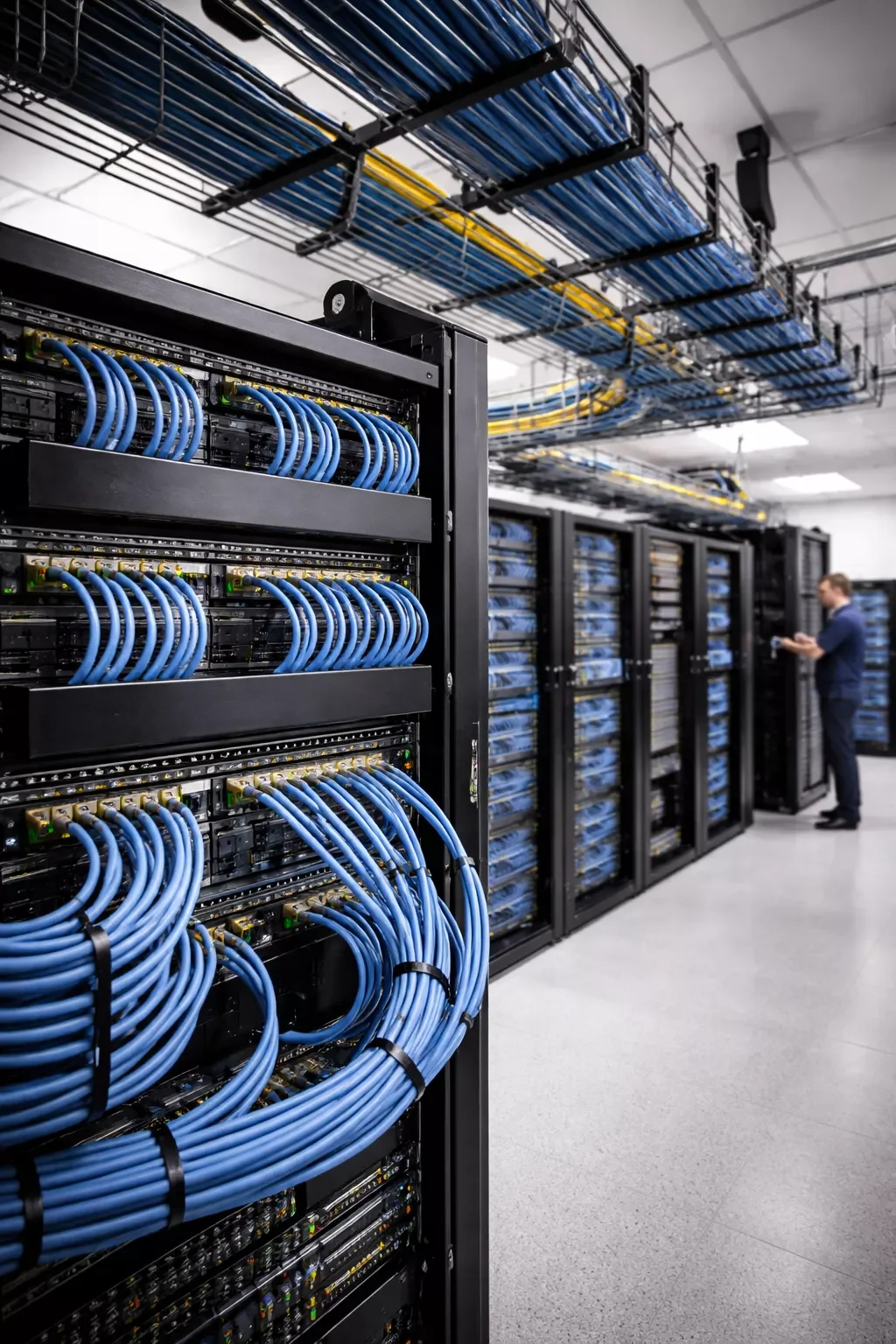
Structured cabling serves as the physical foundation for reliable security and network operations. Our low-voltage infrastructure is designed to support current technology while remaining flexible for future expansion.
Proper cabling design prevents bottlenecks, reduces future retrofit costs, and supports long-term system stability.
Installation & Build Standards:
Structured copper cabling systems
Standards-based cable pathways and routing
Equipment room and network room build-outs
Rack systems, cabinets & cable management
Labeling, documentation & as-built drawings
Performance verification and quality assurance testing
Fiber Connectivity & Backbone Infrastructure
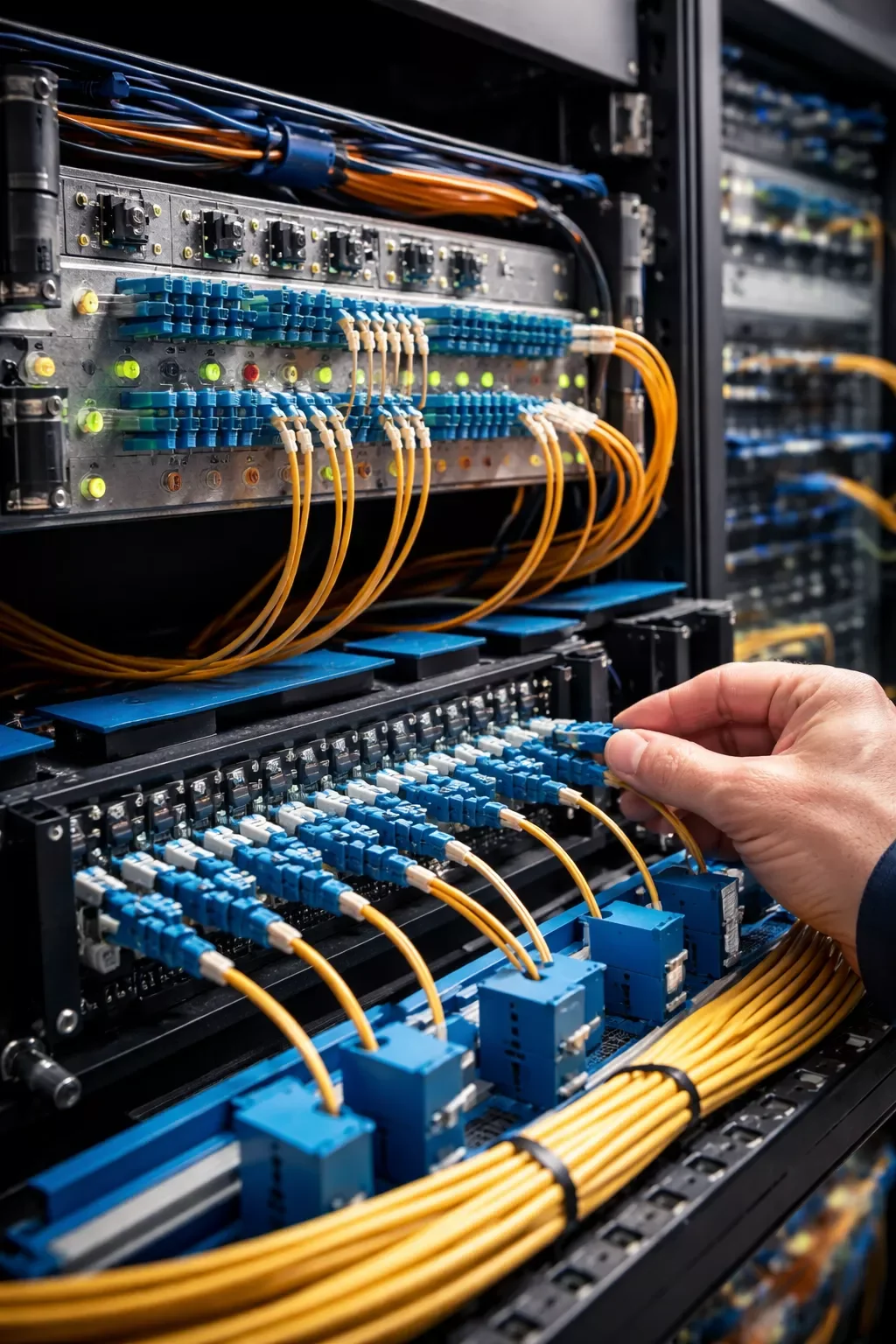
Fiber connectivity is deployed where higher bandwidth, longer distances, or enhanced signal integrity are required. Our team designs and installs fiber systems to support modern security, life-safety, and enterprise network demands without over-engineering the physical plant.
Fiber infrastructure supports the growing demands of high-resolution video, access platforms, and cloud-connected services while maintaining flexibility for future expansion.
Backbone Design & Installation:
Fiber connectivity for high-bandwidth applications
Site-wide and multi-building backbone design
Fiber termination and enclosure systems
Performance validation and documentation
Redundant path design when required
Security Network Architecture
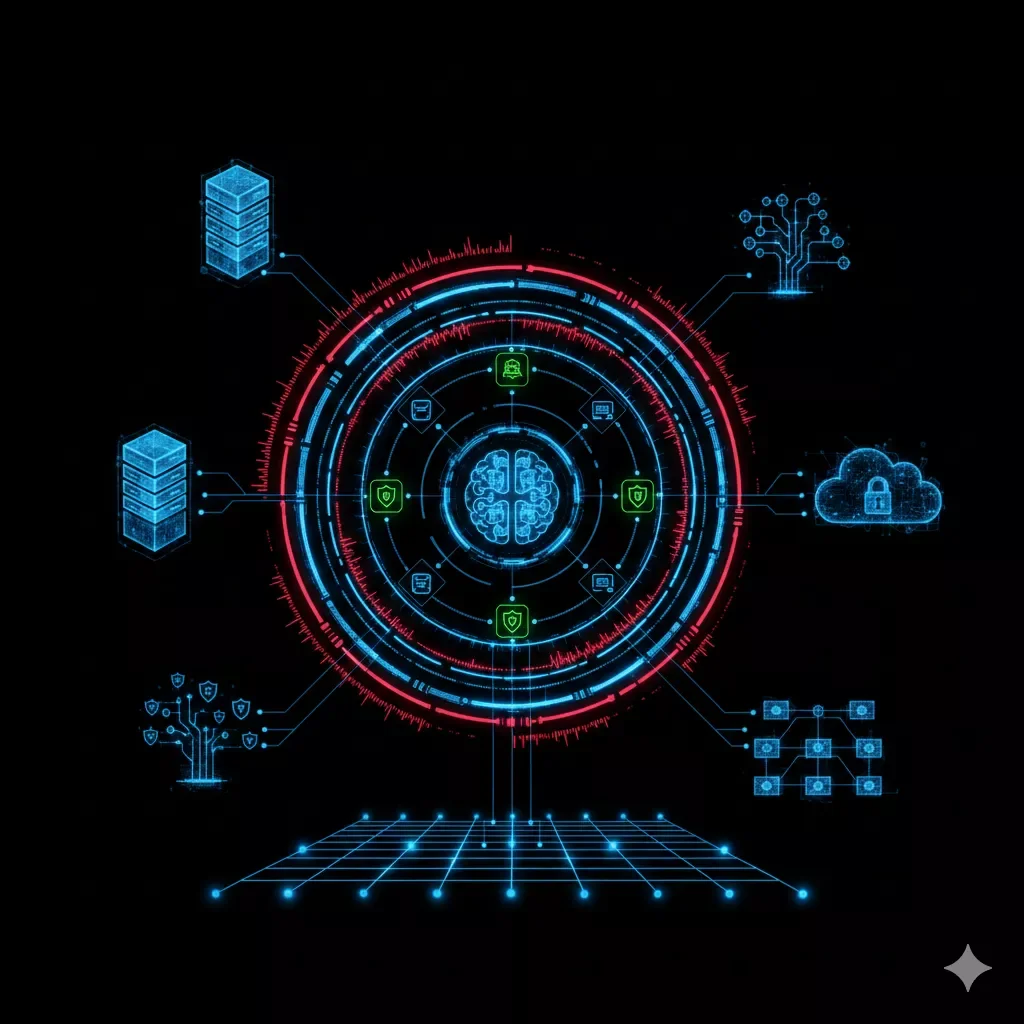
Security systems require purpose-built network design independent of general IT traffic. We engineer isolated, segmented, and protected security networks that operate alongside enterprise IT without compromising either environment.
Security network design must prioritize uptime, resilience, and controlled access at all times.
Operational Network Configuration:
Dedicated security network segmentation
Video traffic management and optimization
Redundant switching and uplink design
Secure routing and firewall coordination
Quality-of-service configuration for operational systems
Encrypted wide-area backhaul for remote locations
Wireless, Cellular & Remote Connectivity
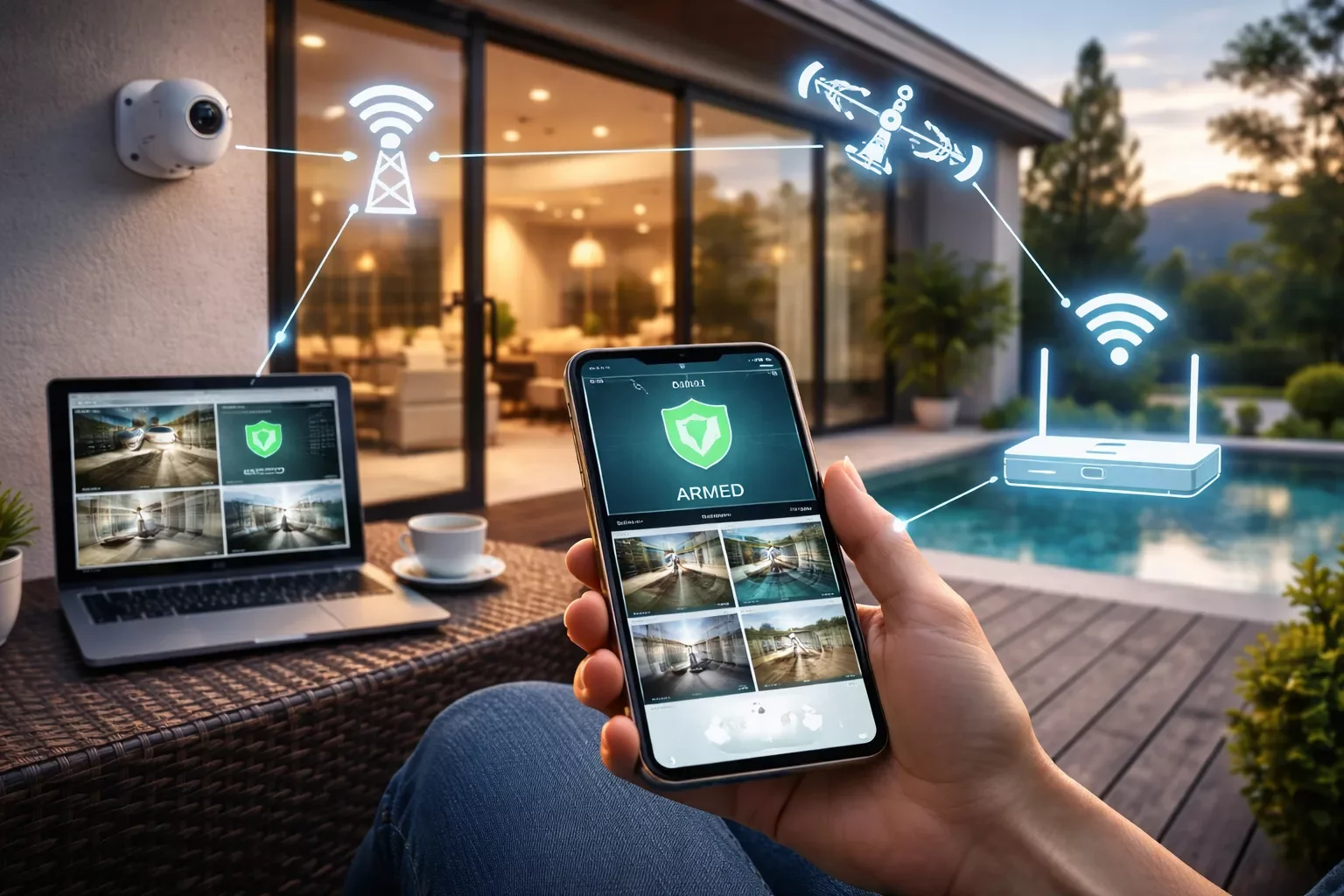
For locations without permanent network infrastructure—or where portability is required—we deploy secure wireless and cellular connectivity to maintain full system visibility and monitoring.
Remote connectivity ensures operational continuity across fixed, temporary, and geographically isolated assets.
Wireless & LTE Network Deployment:
Point-to-point and point-to-multipoint wireless links
Cellular LTE/5G connectivity
Failover and redundant network paths
Secure VPN and encrypted backhaul
Remote system access and diagnostics
Testing, Verification & Documentation
Infrastructure systems are validated prior to turnover using industry standard testing methods appropriate for each deployment. Documentation is provided to support serviceability and future system growth
Verification focuses on operational integrity and long-term maintainability rather than formal laboratory-style certification.
Documentation & System Validation:
Copper and fiber performance verification
Network configuration validation
Device and port labeling
As-built drawings and system records
Client turnover documentation
Ongoing service documentation for lifecycle support

Integration with Security & Life-Safety Systems
Infrastructure is designed in direct coordination with security, fire, access, and monitoring systems so that operational platforms function as a unified system.
Integrated infrastructure eliminates performance conflicts between IT networks and physical security systems.
Integrated Systems Supported:
Video surveillance & VMS platforms
Access control & credentialing systems
Fire & life-safety communications
Cloud-verified video monitoring & storage
Mobile & temporary security deployments